AI voice agents are becoming essential for a simple reason: phone calls still drive some of the highest-intent customer interactions. When calls go unanswered during busy hours or after hours, potential customers do not wait. They move on, and the opportunity disappears.
For small businesses and the teams that support them, missed calls translate directly into lost revenue and wasted marketing spend. Staffing phones around the clock is expensive and difficult to scale. Traditional IVR systems and voicemail do little to solve the problem.
AI voice agents change how inbound calls are handled. By answering instantly, understanding intent, and taking action in real time, they turn phone conversations into measurable outcomes. When voice is connected to data, automation, and CRM, calls stop leaking value and start contributing to growth.
Capture, qualify, and convert leads 24/7 without lifting a finger
TL;DR
- AI voice agents ensure every call is answered, eliminating missed leads and response delays.
- Conversational AI understands caller intent, improving call quality and conversion outcomes.
- Vendasta connects AI voice agents to CRM, automation, and customer data, turning phone calls into trackable, revenue-driving conversations.
What Is an AI Voice Agent?
An AI voice agent is AI software that answers phone calls using natural conversation, understands what the caller wants, and takes action in real time. Instead of forcing people through menus, it listens, interprets intent, and responds like a trained receptionist.
This is very different from IVR systems and voicemail. IVRs rely on rigid prompts and button presses. Voicemail delays response and often ends the conversation entirely. An AI voice agent uses natural language understanding and intent recognition to keep the interaction moving forward.
That conversational layer matters. According to McKinsey, 71% of consumers prefer to interact with businesses using natural language, not menus or scripts.
AI voice agents are part of a broader shift toward smarter, connected AI communication tools.
How Do AI Voice Agents Work? (Step-by-Step)
AI voice agents follow a structured process designed to remove friction from phone conversations while capturing meaningful data.
1. The Call Is Answered Instantly
Incoming calls are routed to AI voice agents instantly. Instant pickup matters because Harvard Business Review found that businesses responding within the first minute are far more likely to convert inbound inquiries.
2. Speech Is Converted Using Speech-to-Text
The caller speaks naturally, and their words are converted into text in real time using speech-to-text technology. Modern systems achieve over 95% accuracy in controlled environments, making natural conversations possible.
3. Caller Intent Is Identified
The system analyzes the conversation to determine intent, such as booking an appointment, asking about pricing, or requesting support. This step relies on intent recognition rather than keyword matching, allowing for more flexible conversations.
4. Relevant Business Data Is Referenced
The AI pulls from business-specific data like hours, services, locations, or availability. This context prevents generic responses and ensures callers receive accurate, up-to-date information.
5. An Action Is Taken In Real Time
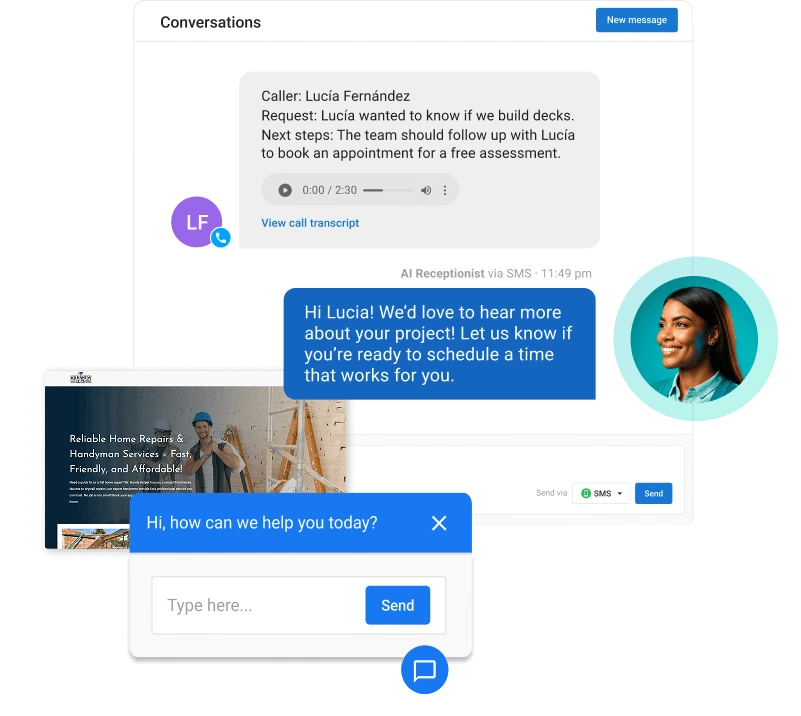
Based on intent, the AI voice agent completes a task. This could mean booking an appointment, routing the call, capturing lead details, or filtering spam calls before they reach staff.
6. The Conversation Is Logged And Prepared For Follow-Up
Every interaction is recorded, summarized, and stored for future action. This transforms calls from one-off events into trackable data points that support sales and retention.
Tip: Tools like Vendasta’s Conversations AI connect voice conversations directly to CRM and automation workflows, so follow-ups happen automatically.
Why AI Voice Agents Matter for Businesses Supporting SMBs
Businesses that support SMBs live and die by results.
Lead volume, conversion rates, and retention are not abstract metrics. They directly affect trust, renewals, and growth. AI voice agents address the biggest breakdowns in that chain.
Missed Calls Are Missed Revenue
For an AI voice agent for small business, the biggest value starts with availability.
CallRail data shows that 28% of calls to SMBs go unanswered, with the highest drop-off happening after hours and during peak periods.
Missed calls do not just reduce lead volume. They hurt retention.
Invoca reports that callers who fail to connect on the first attempt are significantly less likely to call back, especially for local services.
Every unanswered call becomes a silent churn risk.
Staffing Phones Does Not Scale
Hiring and staffing a human receptionist sounds simple, but the math rarely works.
According to Glassdoor, the average annual cost of a full-time receptionist in the U.S. exceeds $12,000–$20,000, not including turnover or coverage gaps.
An AI receptionist does not call in sick, does not require shift coverage, and does not vary by mood or training.
For businesses supporting dozens or hundreds of SMBs, that consistency is the difference between scalable service and operational drag.
Speed and Context Win Deals
Speed matters, but context matters more.
Context-aware responses outperform fast but shallow replies because they reflect real business knowledge.
This is why AI voice agents work best as part of a broader approach to AI in customer communications, where voice connects to customer data, history, and workflows instead of operating in isolation.
When speed and context work together, calls turn into customers instead of dead ends.
AI Voice Agent vs Human Receptionist vs IVR
Not all call-handling solutions are created equal. The difference comes down to availability, cost, and what happens after the call ends.
| Capability | AI Voice Agent | Human Receptionist | IVR System |
| Availability | 24/7, no downtime | Limited to shifts | 24/7, but rigid |
| Cost | Predictable, scalable | High and recurring | Low, but limited value |
| Lead Capture | Automatic and structured | Manual and inconsistent | Minimal or none |
| CRM Connection | Native and real-time | Requires manual entry | Rarely integrated |
| Scalability | Handles unlimited calls | Hard to scale | Scales poorly for nuance |
| Reporting Visibility | Full conversation insights | Limited notes | Basic call logs |
An AI voice agent combines the availability of automation with the conversational quality businesses expect today.
Unlike a traditional AI receptionist setup or IVR, it does not force callers through menus or rely on human follow-up to make sense of conversations.
The result is fewer missed opportunities and clearer visibility into what callers actually want.
What Makes a High-Performing AI Voice Agent?
Not all AI voice agents deliver the same results. Performance depends on how well the system understands people and the business context.
A high-performing AI voice agent should include:
- Natural, human-like conversations that allow callers to speak freely
- Business-specific knowledge so responses reflect real services, hours, and locations
- CRM connection to ensure every call becomes usable data
- Call summaries and insights that help teams understand trends and gaps
- Multi-location handling for franchises and distributed businesses
- Security and compliance to protect customer information
Under the hood, this depends on strong natural language understanding and accurate intent recognition. Without those foundations, voice automation quickly turns into another version of IVR.
When these elements work together, AI voice agents stop being called handlers and start becoming reliable operators in the customer journey.
Why Vendasta Is Built for AI Voice Agents at Scale
A strong AI voice agent has to do more than answer the phone. It needs to handle real conversations, understand intent, reference business knowledge, and take action without forcing callers through scripts or menus.
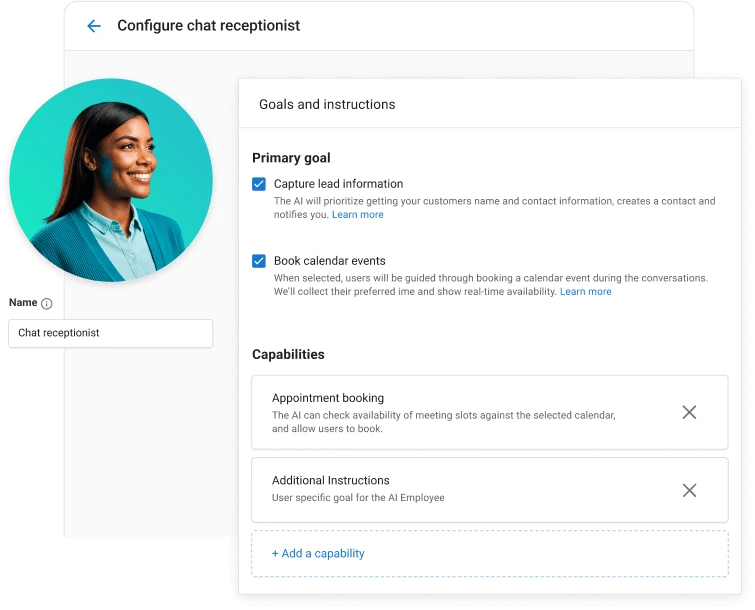
Vendasta’s AI voice agent, AI Receptionist, is built to turn inbound calls into real opportunities. It answers calls instantly, engages callers in natural conversation using business-specific context, captures and qualifies leads, books appointments, and routes conversations to the right next step.
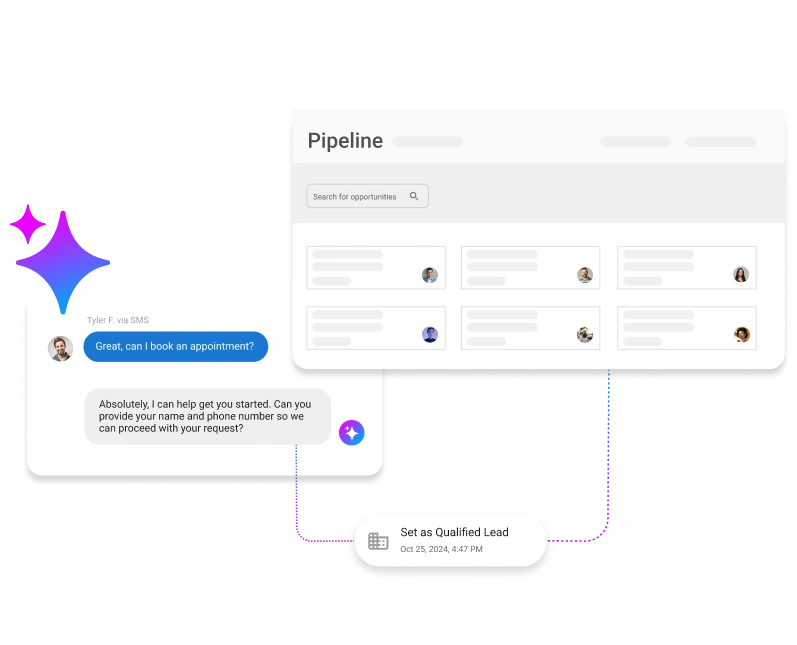
The real impact comes when voice is connected to the systems that run the business. An AI voice agent delivers sustained value when conversations flow directly into CRM, automation, and follow-up workflows.
Vendasta was designed with this in mind. Instead of treating voice as a standalone feature, Vendasta connects AI voice agents to CRM, messaging, automation, and reporting within a single platform.
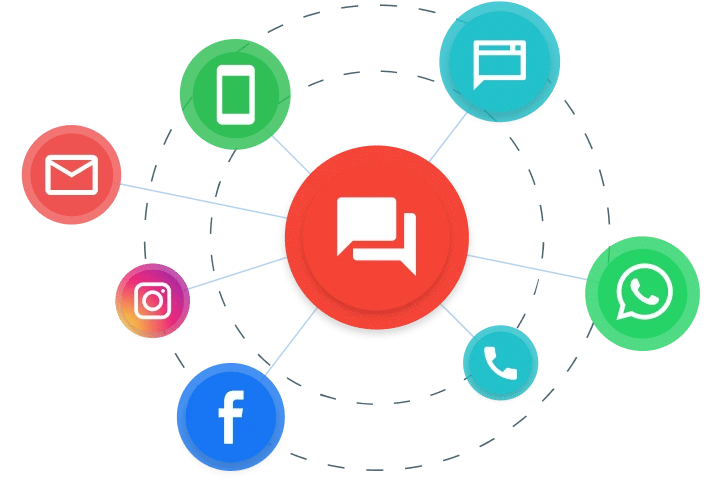
That connection enables multichannel AI communication. Calls trigger follow-ups. Conversations create records. Insights drive action without manual work.
This matters for businesses that support SMBs at scale. Managing dozens or hundreds of client environments requires consistency, speed, and visibility. Vendasta’s AI platform is designed to deploy, manage, and optimize AI voice agents across multiple businesses without fragmentation.
To see how real businesses are unlocking growth with voice automation and deeper integration, check out the Vendasta Conversations AI webinar: Unlock AI Voice and Growth for practical strategies and examples.
Benchmarks and Results to Expect From AI Voice Agents
AI voice agents deliver measurable improvements when deployed correctly. The most consistent gains show up in availability, conversion, and operating costs.
Here is what businesses typically see:
| Metric | Typical Impact | Source |
| Call Answer Rate | Up to 100% coverage vs 60-70% for SMBs | CallRail |
| Lead Capture | 20-35% lift from reduced missed calls | Invoca |
| Cost Savings | 50-70% lower than staffed reception | Deloitte |
| Response Time | Instant pickup vs minutes or hours | Harvard Business Review |
Voice AI removes response delays entirely. An AI phone agent also improves data quality. Instead of relying on memory or notes, every call becomes structured input for sales and retention teams.
When these benchmarks hold, AI voice agents stop being an experiment. They become a predictable driver of growth and efficiency.
How to Get Started With AI Voice Agents
Getting started with an AI voice agent does not require a complex rollout. The key is to begin with clear goals, test with real conversations, and improve based on what callers actually need.
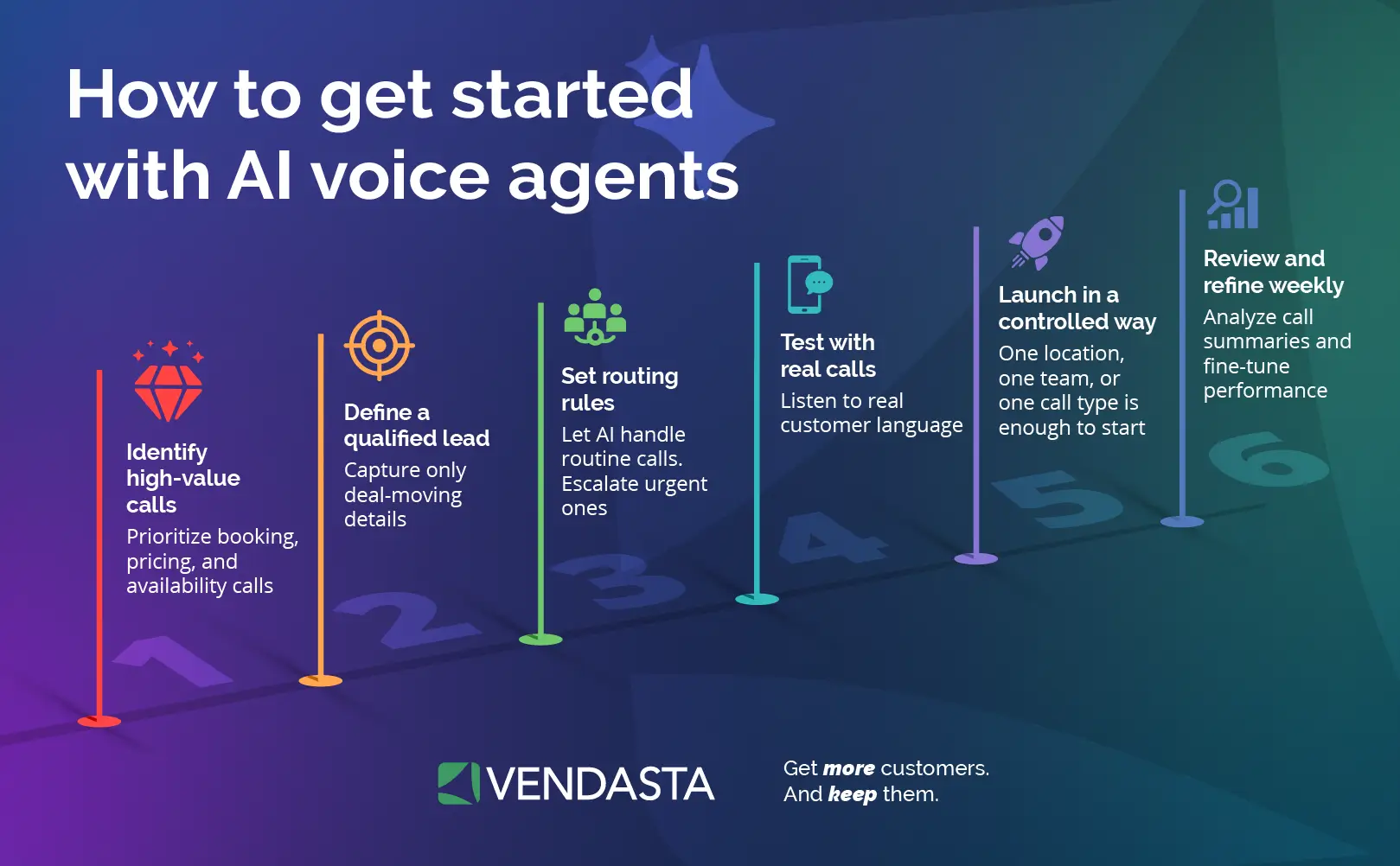
Identify High-Value Call Intents
Focus on calls tied directly to revenue, such as appointments, pricing, service availability, or location-specific questions.
Define What Qualifies a Lead
Decide which details matter most. This typically includes contact information, service type, urgency, and location.
Map Routing Rules
Determine when calls should be handled fully by AI and when they should be routed to a person, especially for urgent or complex requests.
Test With Real Calls
Use real customer language to uncover gaps, unclear responses, or missing context before launching broadly.
Launch In A Controlled Way
Start with one team, location, or call type to reduce risk and simplify optimization.
Monitor And Refine Weekly
Review call summaries and outcomes regularly. Adjust prompts and rules so performance improves over time.
Common Mistakes to Avoid With AI Voice Agents
AI voice agents fail when they are treated as static tools instead of active participants in the customer journey. Avoiding a few common mistakes can significantly improve results.
Treating AI Like Voicemail
When voice automation only records messages, it recreates the same delays and drop-offs businesses are trying to fix.
Over-Scripting Conversations
Rigid scripts limit how Conversations AI responds to natural language, leading to awkward or incomplete interactions.
Running Voice Without CRM Context
Without access to business data, responses stay generic and miss opportunities to personalize conversations.
Not Reviewing Call Data Regularly
Call summaries and outcomes reveal gaps, trends, and optimization opportunities. Ignoring them prevents improvement.
AI voice agents perform best when they are monitored, refined, and treated as evolving systems rather than set-and-forget solutions.
Turning AI Voice Agents Into a Growth Lever
An AI voice agent turns missed calls into real opportunities. Instead of unanswered phones and uneven responses, every call is handled with speed and consistency.
That matters whether your business supports SMBs through marketing, IT, franchise operations, or media. The phone remains one of the highest-intent conversion channels, and missed calls quietly erode growth.
When done right, AI voice agents deliver:
- Fewer missed leads
- Faster, consistent responses
- Better follow-through with data
Start with your highest-volume call types, measure results weekly, and optimize using real conversations.
If you want to see how an AI receptionist performs in live scenarios, schedule a demo to understand the impact it can have on your business and the SMBs you support.
AI Voice Agent FAQs
1. What is an AI voice agent?
An AI voice agent answers phone calls using natural conversation, understands caller intent, and takes action in real time. Vendasta’s AI Receptionist replaces voicemail and rigid menus with instant, intelligent responses that guide callers toward a clear next step.
2. How is an AI voice agent different from an IVR system?
IVRs rely on button-based menus and fixed scripts. AI voice agents let callers speak naturally, identify intent, and move conversations forward without friction or delays.
3 Why are AI voice agents important for small businesses?
Small businesses miss revenue when calls go unanswered. AI voice agents ensure every call is answered instantly, capturing high-intent leads even during busy hours or after hours.
4. Can AI voice agents book appointments?
Yes. AI voice agents can schedule appointments based on availability, confirm bookings, and log details automatically. Vendasta’s AI Receptionist books appointments automatically using real-time availability, so customers can schedule without delays.
5. Do AI voice agents replace human receptionists?
No. They support human teams by handling overflow, after-hours calls, and repetitive inquiries. Humans still step in for complex or sensitive conversations.
6. How does Vendasta support AI voice agents?
Vendasta connects AI voice agents to CRM, automation, and reporting in one platform. Every call becomes a tracked conversation that feeds follow-ups and customer workflows.
7. Are AI voice agents secure for customer data?
Yes, when built on trusted platforms. Vendasta’s AI Receptionist follows strict security standards to ensure conversations and customer information are handled responsibly.
8. What types of businesses benefit most from AI voice agents?
Service-based SMBs like home services, healthcare, legal, and local retail benefit the most, especially where phone calls signal immediate buying intent.
9. Can AI voice agents handle multiple calls at once?
Yes. Unlike human receptionists, AI voice agents can handle multiple simultaneous calls, ensuring customers are not placed on hold or sent to voicemail during peak demand.
10. How quickly can a business deploy an AI voice agent?
Most businesses can get started in days. With Vendasta, setup focuses on business rules, call routing, and data sources, not complex technical work.